
Picking out the suitable fabric for a baby is indeed a big decision because the skin of an infant is still in the process of development and thus reacts very quickly to heat, friction, and trapped moisture. It is very common for parents to find out that certain garments cause redness, itching, or discomfort to their babies even though those garments look very soft. Among the wide variety of fabrics available nowadays, bamboo and cotton fabrics are the most frequently discussed ones simply because both of them are plant-based and are generally regarded as being gentle. Getting to know the characteristics of these two fabrics during everyday use can be very helpful for the parents to make the right and practical decision.
Understanding Baby Skin and Fabric Sensitivity
Baby skin is thinner and more absorbent than adult skin, which means it loses moisture easily and absorbs external substances more quickly. This makes fabric choice important, especially in warm or humid conditions. Rough fibers, chemical residues, or poor airflow can lead to rashes and overheating. A fabric that feels comfortable for adults may not suit a baby who spends most of the day lying down, crawling, or sleeping. Softness, breathability, and moisture control matter more than appearance or trends.
What Is Bamboo Cloth?
Bamboo fabric is produced by processing bamboo pulp into fibers which are then woven into cloth. It is famous for its soft surface that many times feels as if it were silk when it comes in contact with skin. Numerous individuals have observed that bamboo material flows nicely and does not seem stiff, even when regularly washed. One of the inherent properties of it is that it can readily absorb moisture, thus sweat can be taken away from the skin. In this way babies can remain not only dry but also comfortable for probably the longest time, especially during their sleep.
What Is Cotton Cloth?
Cotton cloth is made from cotton fibers that are natural and it has been used for baby clothing for several generations. It is very easy to find, a familiar product, and one that has been trusted in many homes. When cotton is properly processed, it gives a soft feel and it is generally more comfortable to wear with time. The natural ventilation it allows helps to cool the body down. Since cotton is a natural fiber, it is usually good for sensitive skin, especially if it is not treated with strong dyes or chemicals.
Softness: Which Fabric Feels Gentler?
Softness is probably the first thing parents think of when they touch baby clothes. Generally, a bamboo cloth feels very smooth even before washing because it has very fine fibers, which also lower the friction of the skin. This kind of cloth can be a big help for babies who frequently get irritated or have skin conditions like eczema. On the other hand, a cotton cloth may not feel quite as soft at first touch due to the type of weave and quality but it might be just a bit firmer. Through the process of washing, cotton will usually become softer to the extent that it is more of a familiar and comforting touch rather than a silken one.
Breathability and Temperature Regulation
Breathability is a major factor in ensuring babies stay comfortable, particularly in a warm environment. A cotton fabric is very breathable and is easily penetrated by air, which means that heat is able to escape and the child is less likely to overheat. A bamboo fabric is also a good performer in this respect, but in a slightly different way. It very quickly soaks up the water and then evaporates it into the air, which results in a cooling effect. Either fabric can be a good choice, however, cotton may seem to be a better option for very hot weather as it is lighter, whereas bamboo might be more suitable for sleep as it is cooler.
Safety and Skin Friendliness
Bamboo fiber is naturally smooth, which reduces the risk of mechanical irritation. Cotton fibers are also soft and safe for the skin, but their safety is dependent on the cultivation and processing methods. Dyes, bleaches and finishes residues can irritate sensitive skin. To minimize the risk of skin allergy, one should select fabric that is not heavily processed and properly washed prior to use for both bamboo and cotton materials.
Durability and Everyday Use
Baby clothes are worn and washed so often that the fabric is always tested for durability. It is generally agreed that cotton is a very durable fabric and that it can be washed repeatedly without the garment losing its shape. Bamboo fabric is also quite durable but to keep it soft, you might have to treat it more gently. In everyday situations, cotton will probably seem a little more forgiving whereas, if you treat bamboo with care, it will stay smooth for a long time. What you usually do in your day to day life, often decides which of the two fabrics will seem less of a problem to you over time.
Environmental Considerations
From an environmental perspective, both fabrics have strengths and limitations. Bamboo plants grow quickly and require less water, but the process of turning bamboo into soft fabric can involve chemical treatments. Cotton is biodegradable and familiar, yet conventional cotton farming can use significant water and pesticides. These factors may matter to parents who think beyond comfort and consider the broader impact of everyday choices.
Making the Right Choice for Your Baby
There is no single answer that suits every baby. Some infants respond better to the silky feel of bamboo cloth, while others remain perfectly comfortable in cotton cloth. Climate, washing habits, and individual skin sensitivity all play a role. Observing how a baby reacts to different fabrics over time often provides the clearest guidance. Ultimately, the safest and softest fabric is the one that keeps a baby calm, comfortable, and free from irritation during daily life.
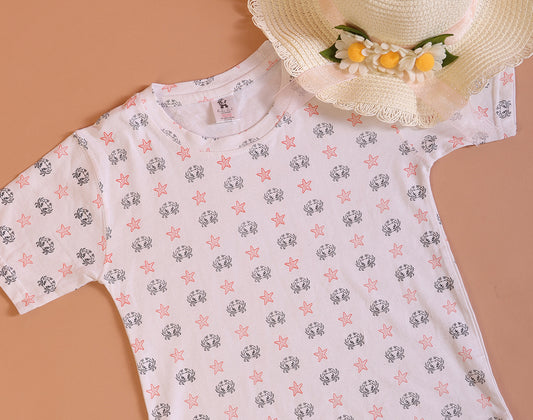
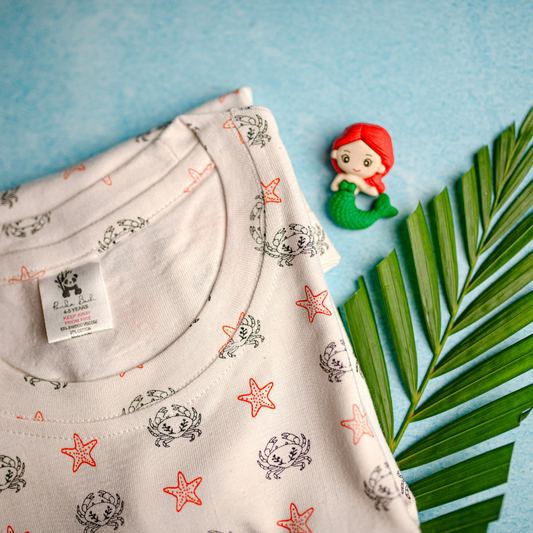
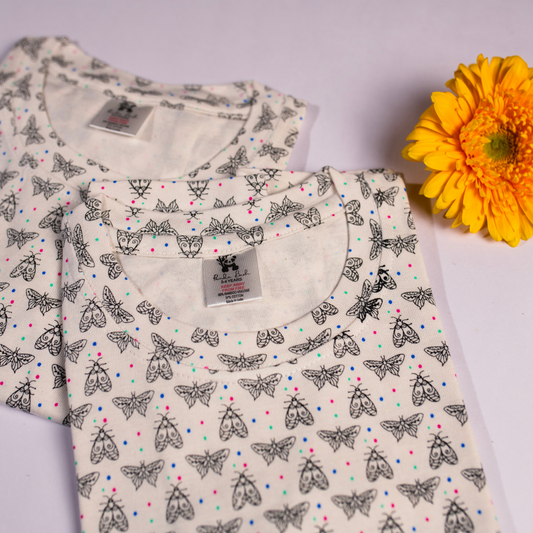
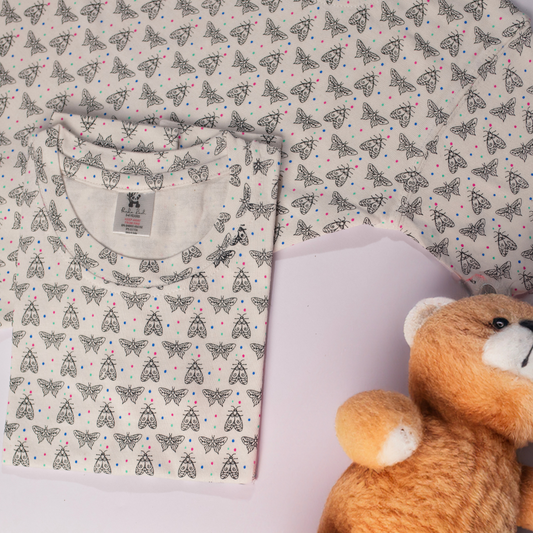
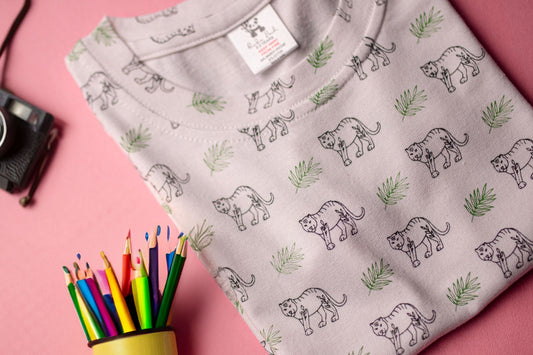
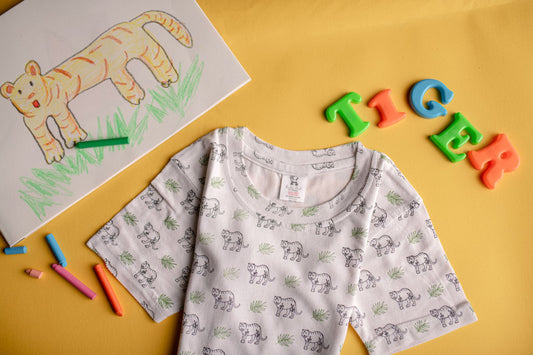
If you are a parent who prioritizes gentle fabrics, informed decisions, and everyday comfort, and are looking to buy bamboo baby clothes online, Panda Bach offers bamboo baby tees that we design with a clear understanding of how fabric choice affects a baby’s skin and daily comfort. Our focus remains on softness, breathability, and ease of wear, which are often key reasons parents explore bamboo fabric alongside cotton. By offering thoughtfully made bamboo clothing, we aim to support parents who want practical, skin-friendly options that align with both comfort needs and environmentally conscious living.
Tags:
Previous
What Is Muslin Cloth for Baby Care? Everything You Should Know
Next
Why Organic Cotton Is the Best Choice for Your Baby’s First Clothes